Solution
In-Furnace Camera Systems
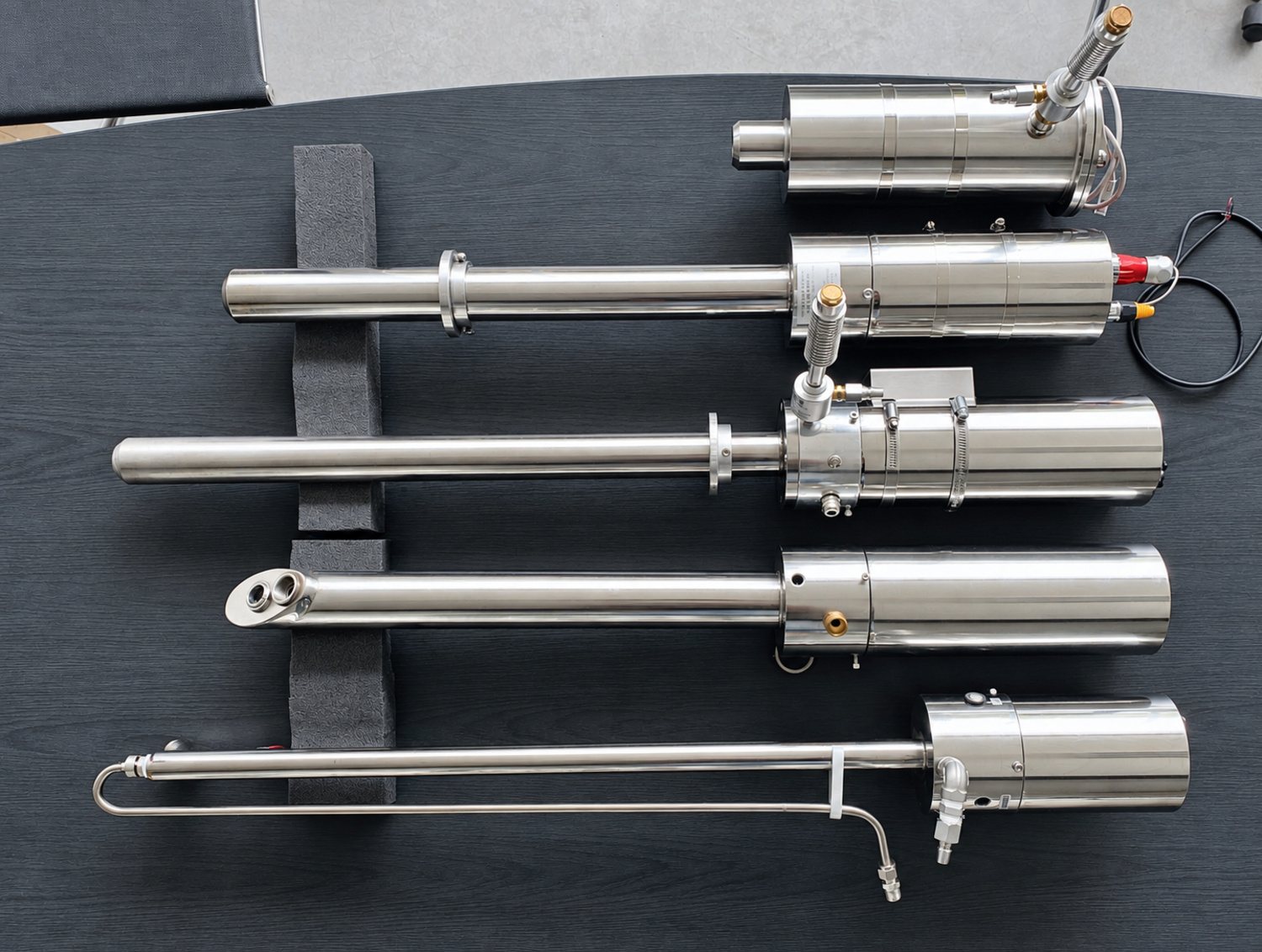
Explore the MICS-7300-TXV furnace camera for material and flame observation.
View SolutionCompare in-furnace, viewport, vacuum-furnace and 360-degree camera systems for steel, incineration and boiler processes. Review cooling and installation conditions.
Explore flame analysis, in-furnace pipe / wall inspection, furnace cameras and pinhole optics.
Explore the MICS-7300-TXV furnace camera for material and flame observation.
View Solution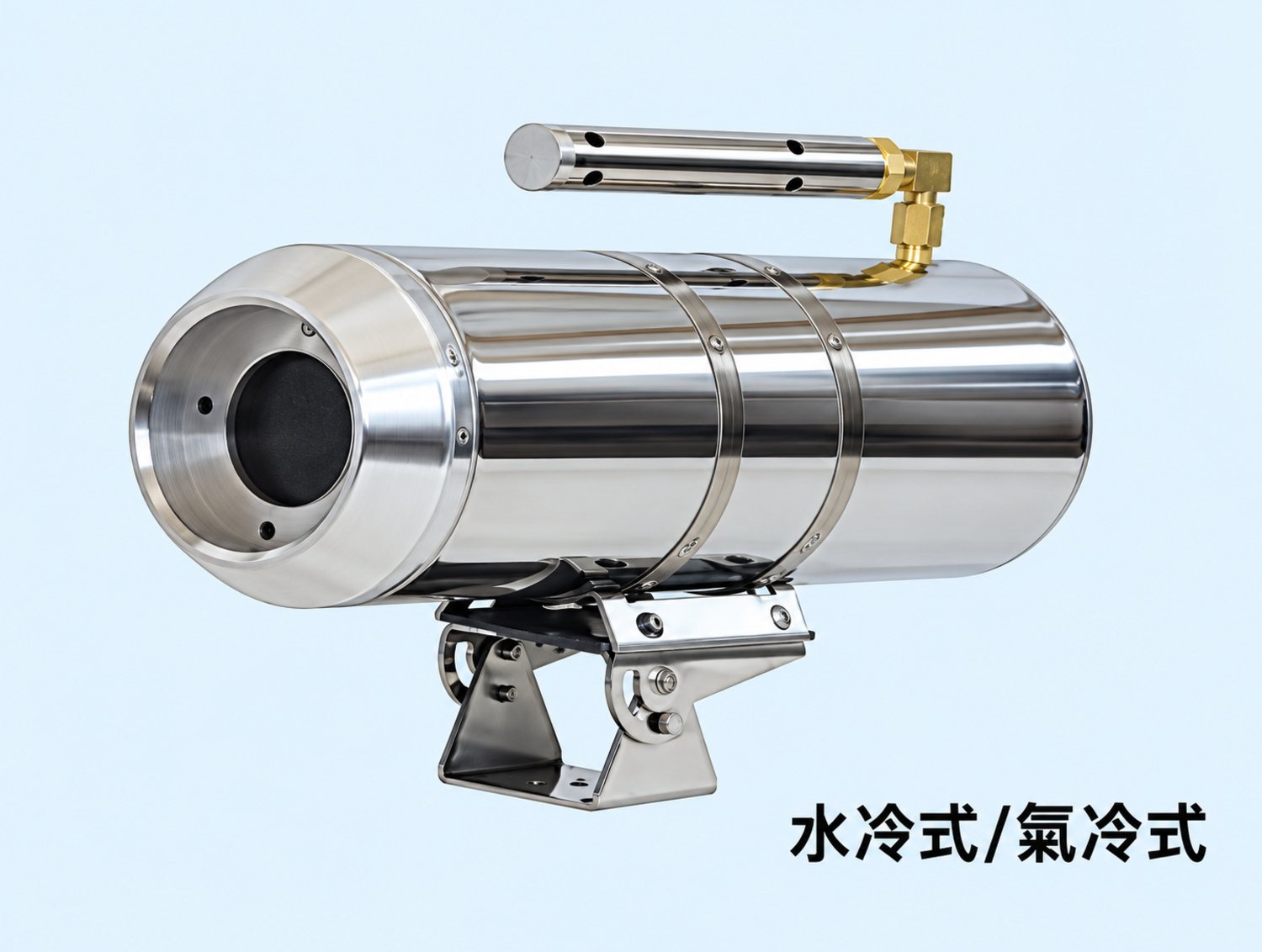
MICS-7793HX viewport cameras support observation through furnace-wall ports.
View Solution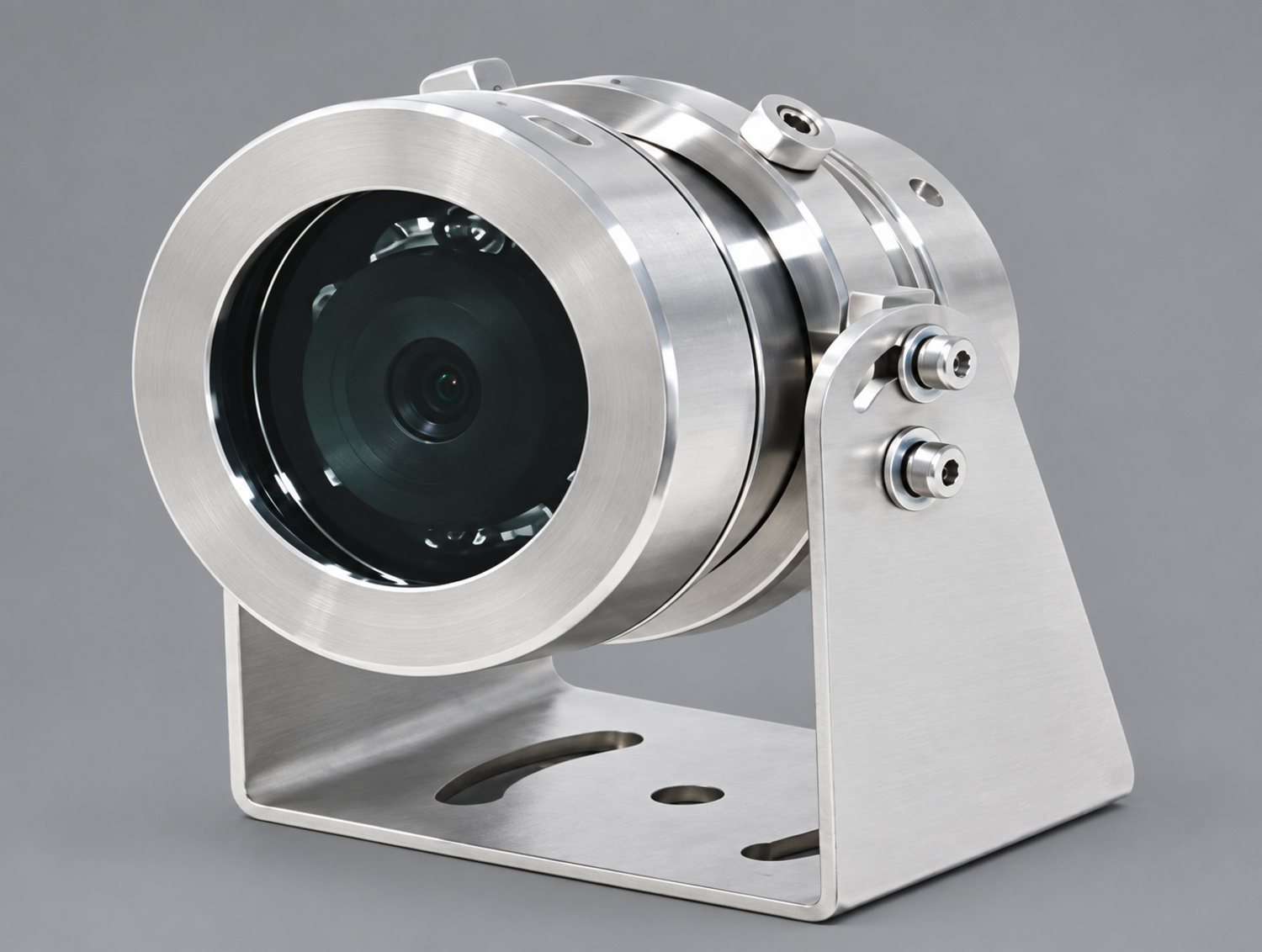
Review MICS-7501-TVM vacuum-furnace imaging, housing and cooling specifications.
View Solution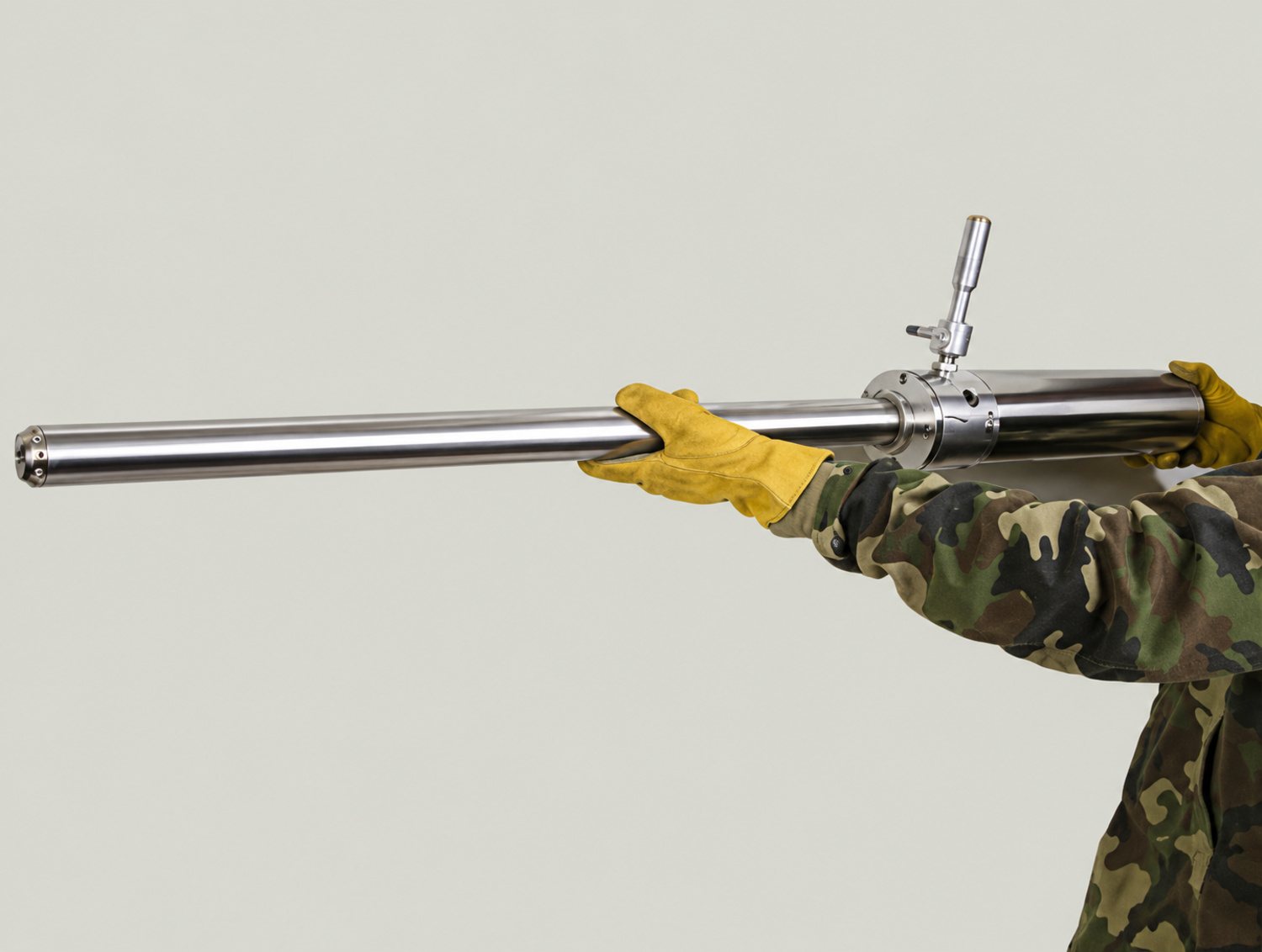
Assess movable, multi-direction furnace imaging with MICS-7300-TXN-PT.
View Solution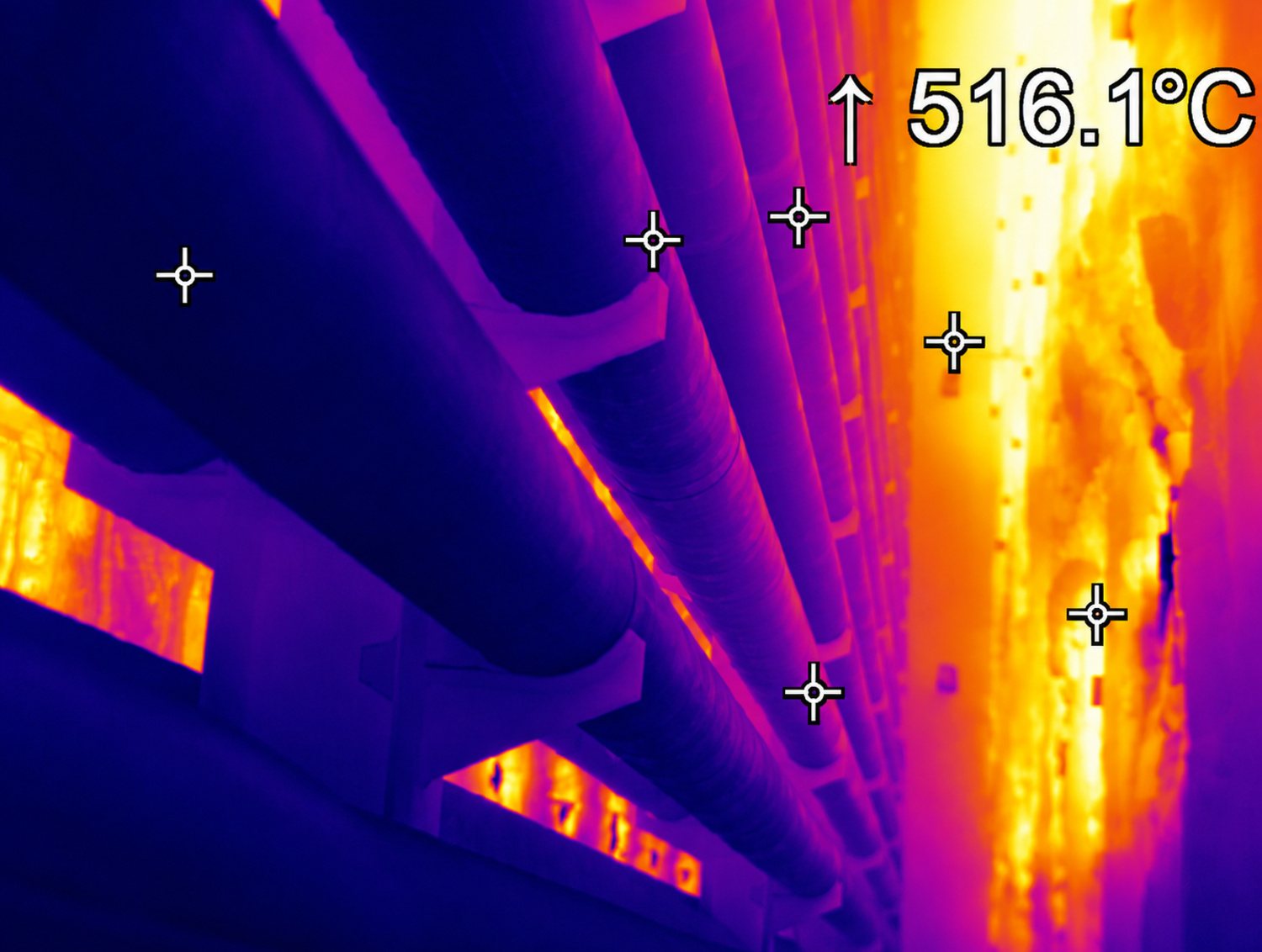
Review MIT7300-TXN furnace-wall camera and pinhole-lens information.
View Solution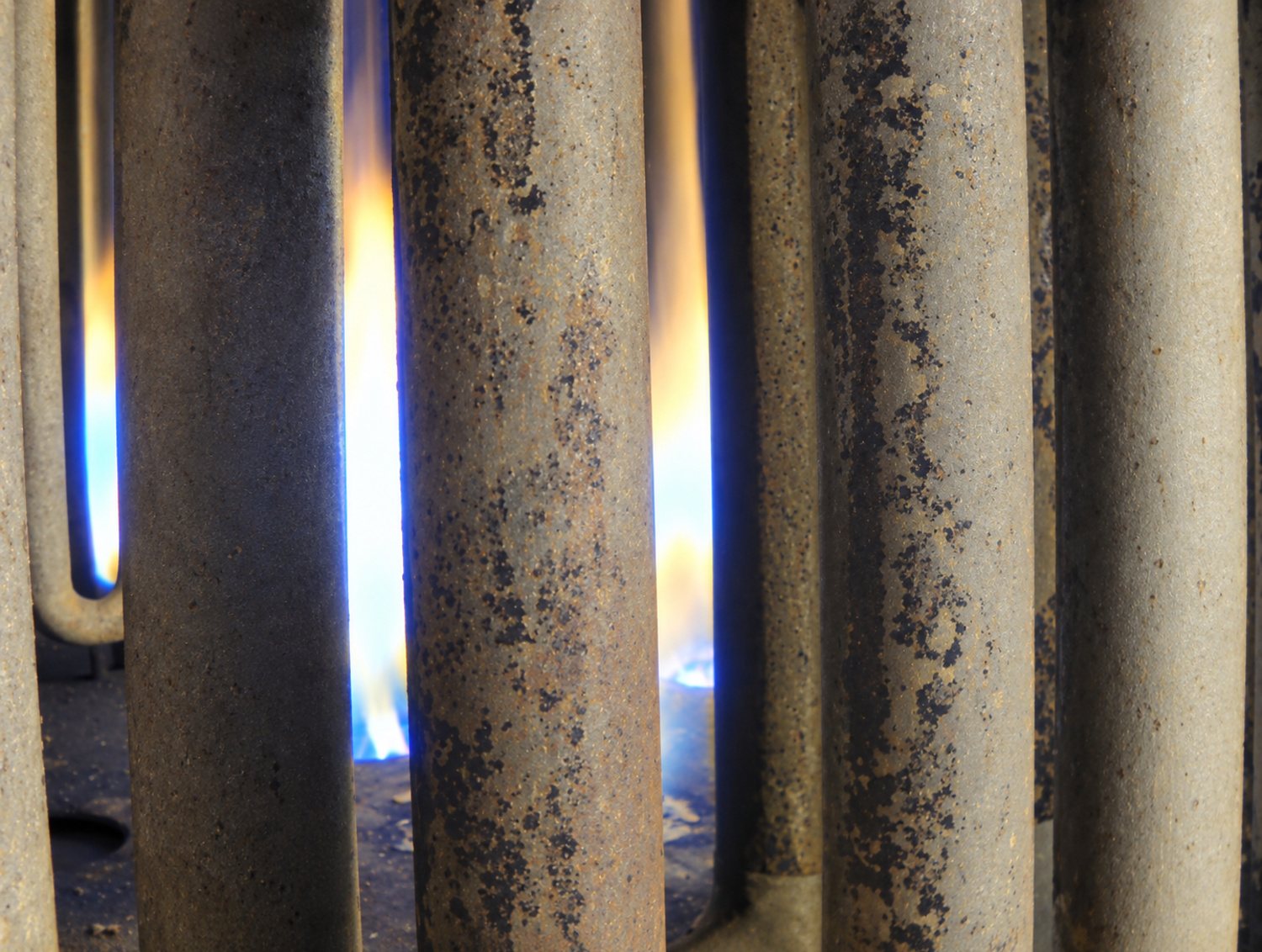
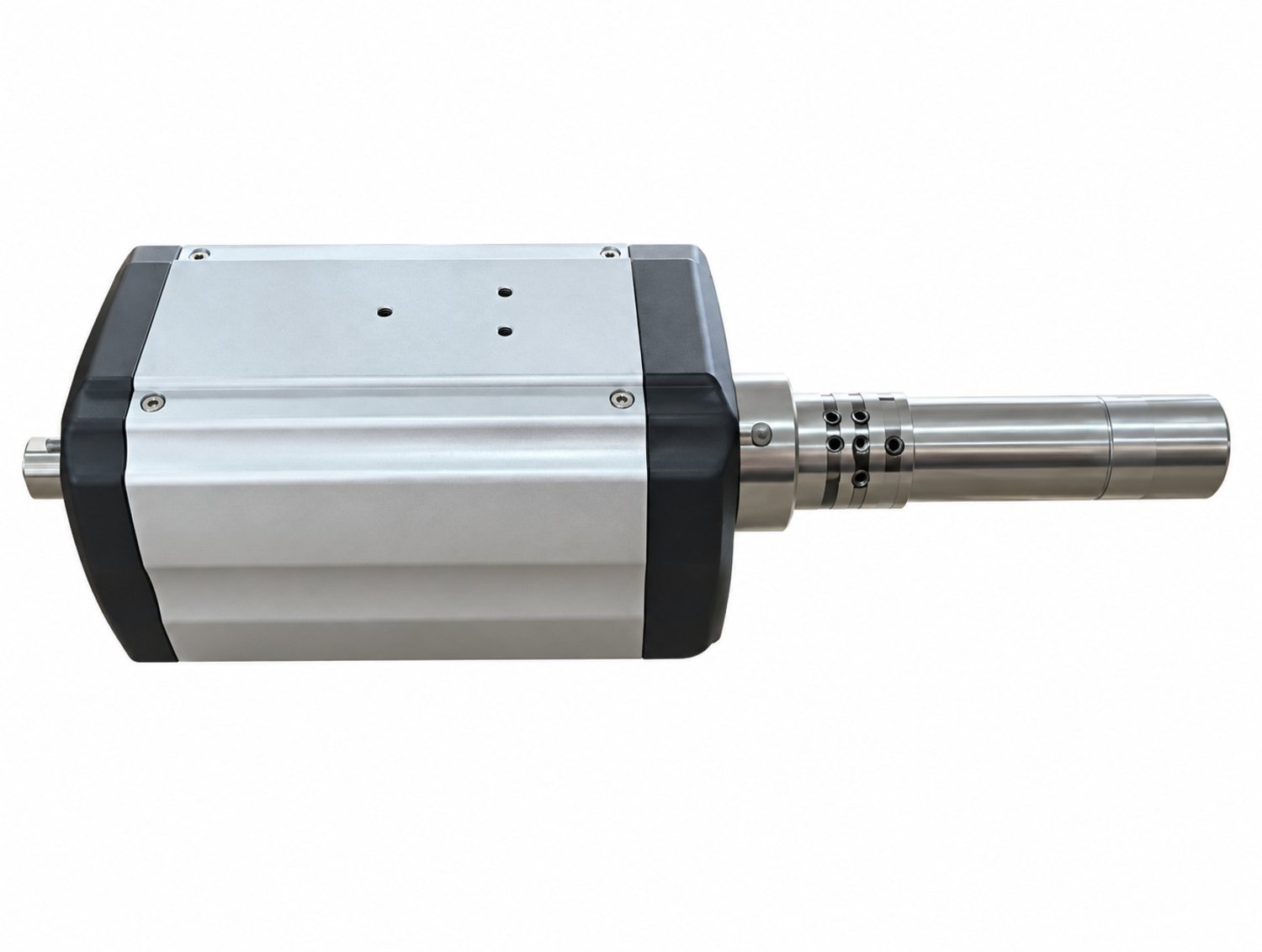
Review MIT7300-TXN furnace-wall camera and pinhole-lens information.
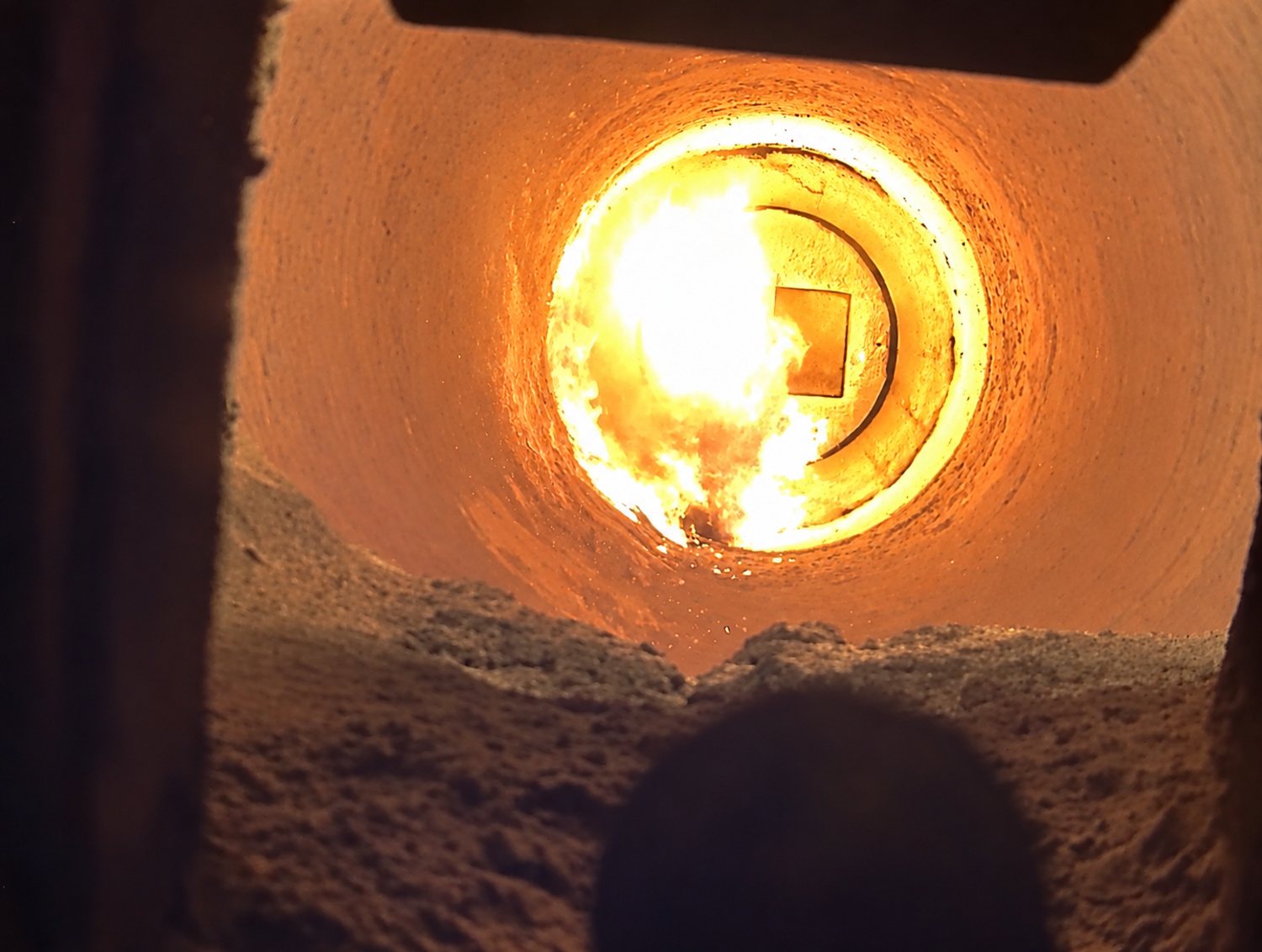
View SolutionAssess high-temperature cameras and in-furnace monitoring for waste incinerators.
 View Solution
Assess camera systems for petrochemical heaters, refinery furnaces and cracking processes.
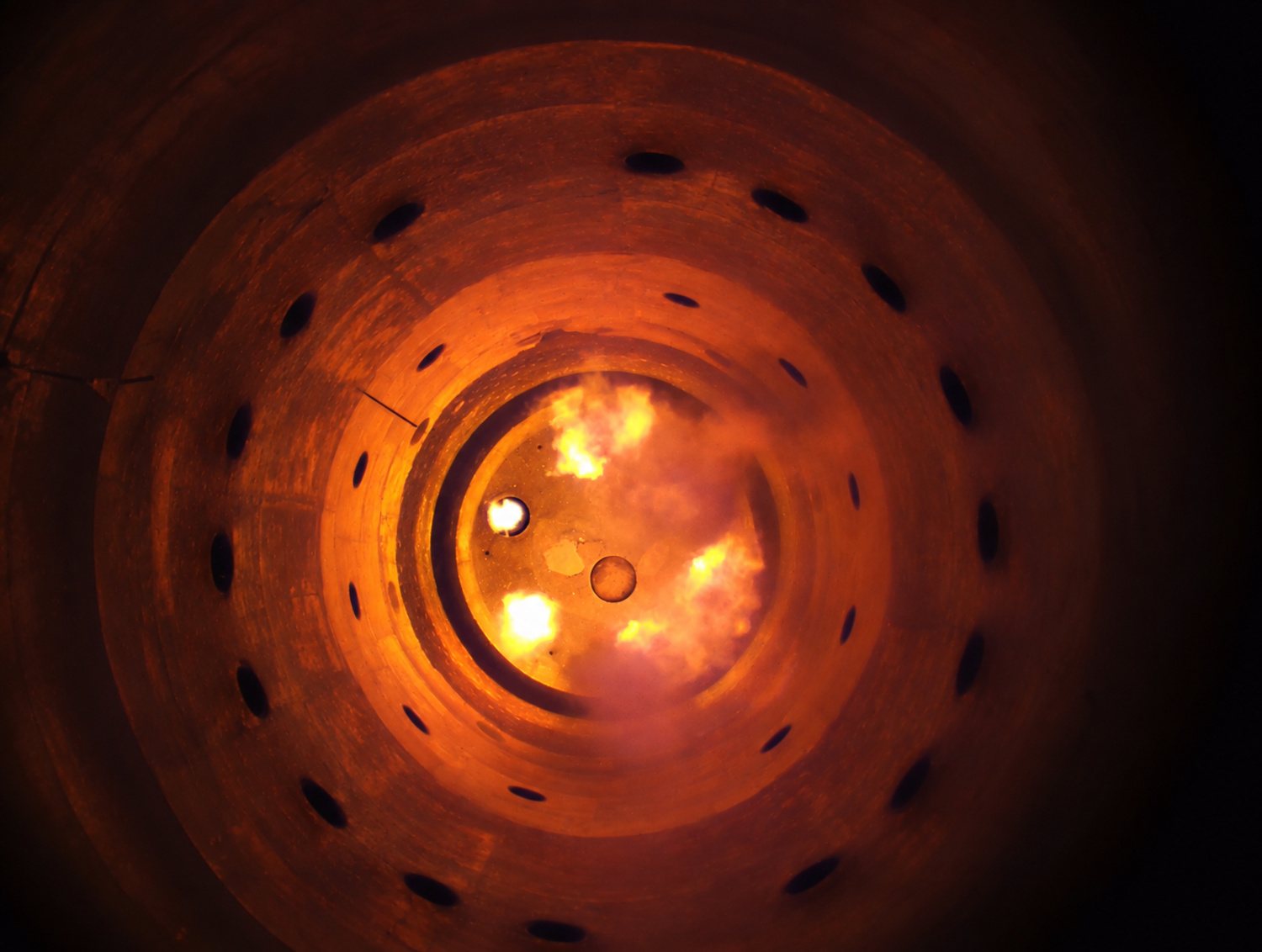 View Solution
Explore high-temperature camera selection for glass and glass-fiber melting furnaces.
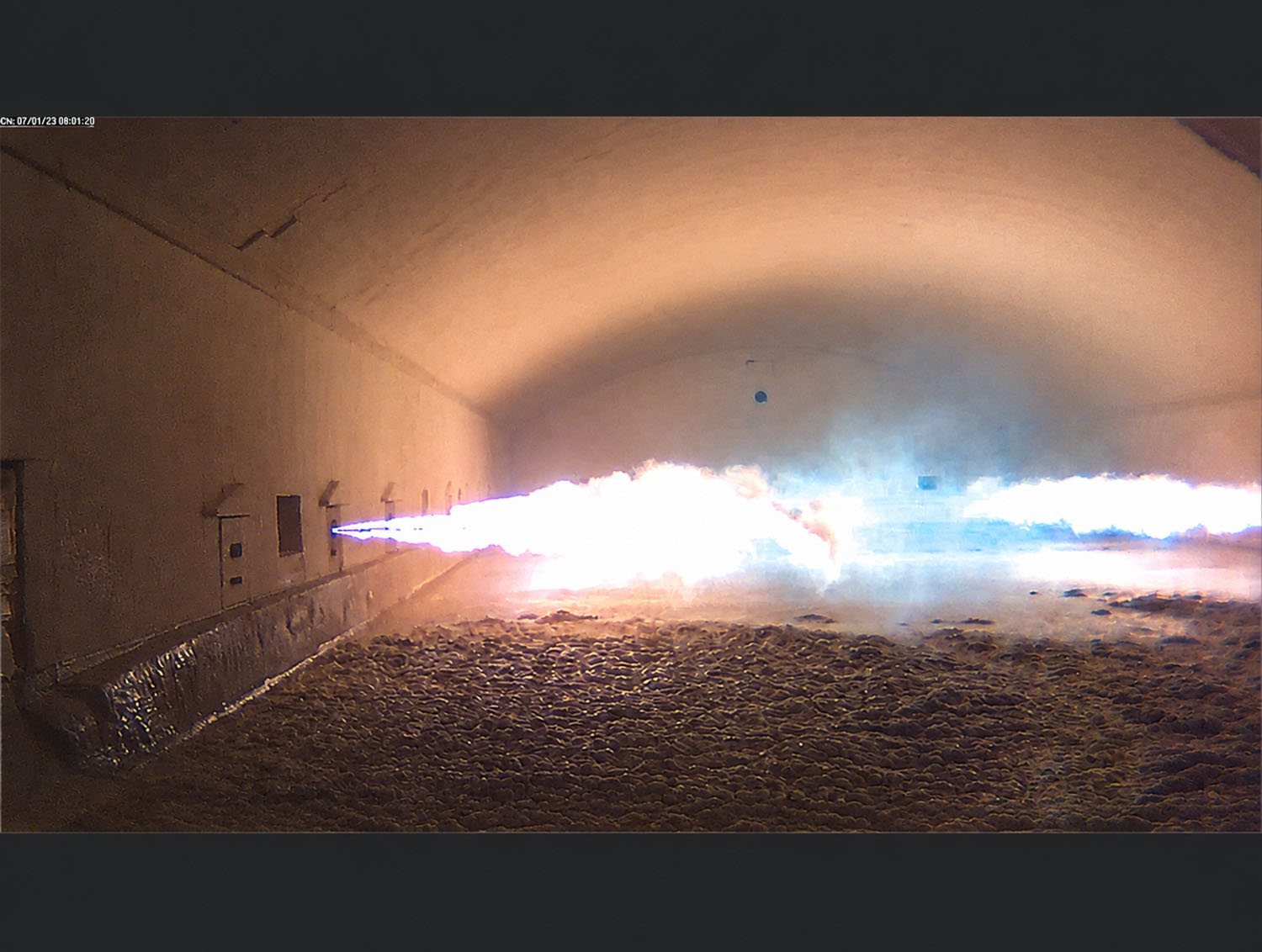 View Solution
Assess boiler and combustion-chamber cameras for utility and power plants.
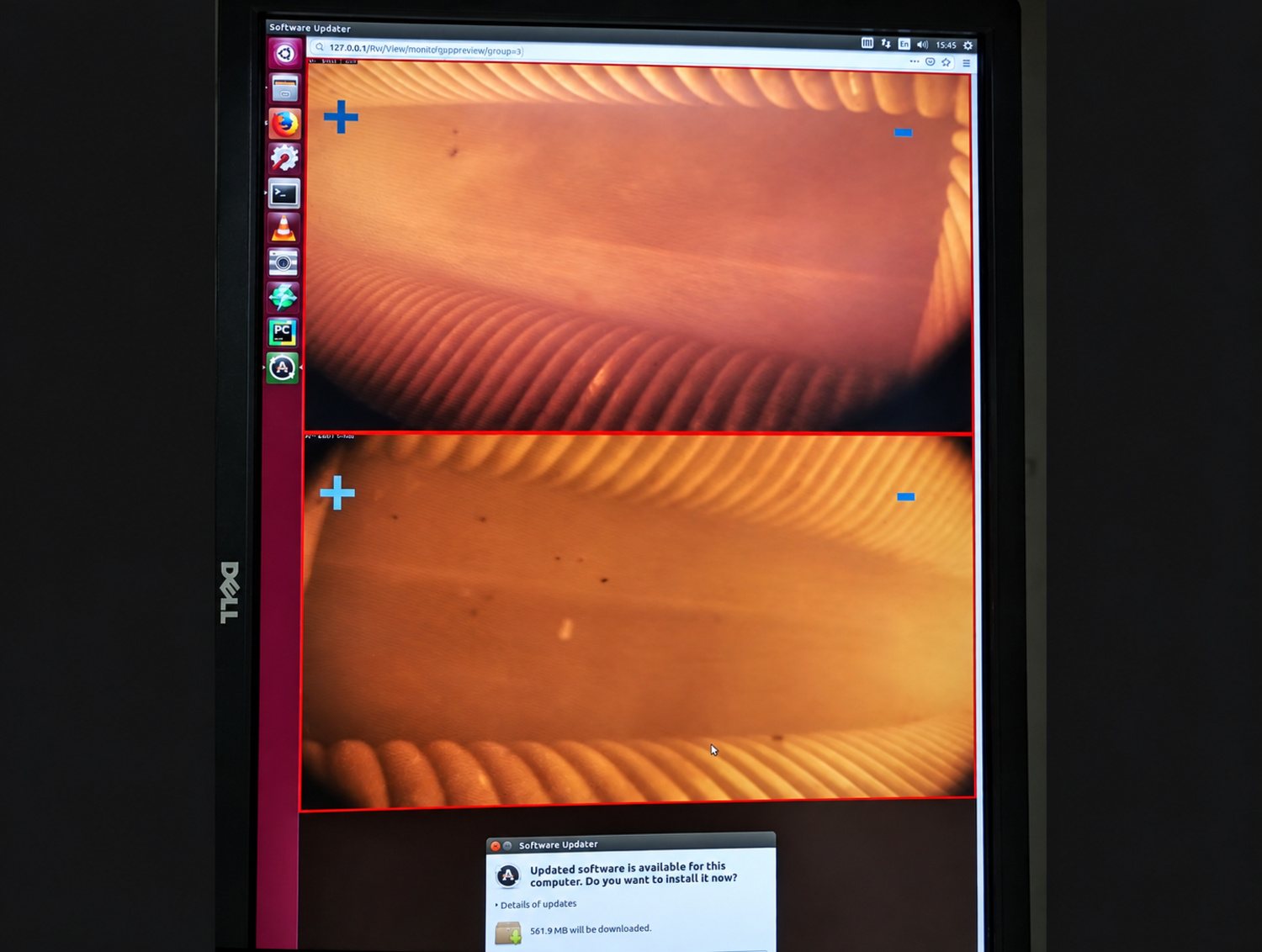 View Solution
Share your site conditions and estimated quantity to discuss technical fit and next steps.
Start with your site challenge and contact details. Specifications can follow.Steel reheating furnaces, waste incinerators, glass-fiber melting furnaces and power-plant boilers present different viewing and dust conditions. Camera protection and cooling must match the process.
Provide furnace type, temperature, wall thickness, viewing port and available cooling. Visible-light monitoring and thermal temperature measurement require different sensor specifications.
Suitability depends on the model, furnace conditions, cooling and protective design, not furnace temperature alone. Provide site conditions to confirm suitable equipment and installation.
Furnace monitoring focuses on flames, materials and the visible condition of equipment; thermal imaging analyzes heat distribution. Confirm measurement capabilities and operating limits against product specifications.