In-Furnace Monitoring Camera System
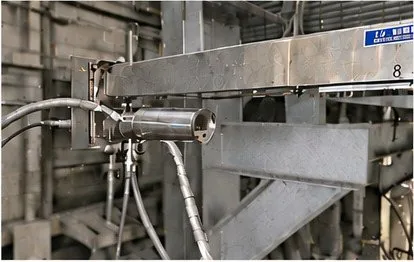
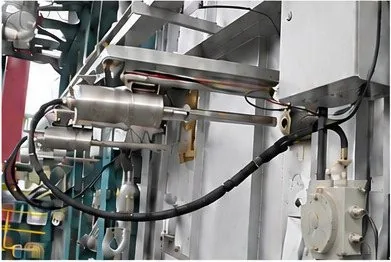
Mounted on the furnace wall to observe material, equipment, molten material and flames. The camera and pinhole lens are installed in a specially designed high-temperature protective housing. The assembly automatically retracts from the furnace if compressed air or power is lost, or an overtemperature condition occurs. Applications include metallurgy, steel, power generation, glass, building materials and machinery.
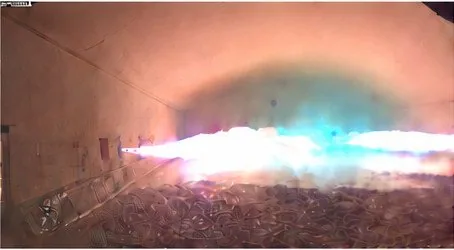
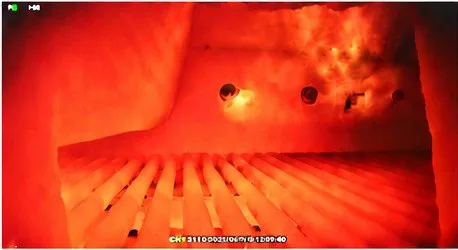
For oil-, coal- and gas-fired furnaces, compressed-air cooling allows the lens to extend directly into the furnace below 2000°C for continuous observation of material heating, annealing, waste combustion and slag combustion flame patterns.
Engineered airflow creates a swirling protective air curtain in front of the lens to reduce dust contact and support stable, continuous operation with minimal maintenance.
- Monitor flames and material inside heating furnaces. The source lists conflicting temperature limits (below 2000°C / over 2000°C); confirm the rated operating limit and cooling requirements before selection.
- Automatic insertion and retraction using sensors and PLC control, with manual operation available
- Pressurized air forms a protective curtain at the lens tip to reduce dust accumulation
- Camera temperature sensor with on-screen readout and audible alarm output
At a Glance
Operating Environment
High-temperature, hazardous, dusty or continuous-process environments requiring remote visual monitoring.
Key Benefits
Improve process visibility, reduce personnel exposure and relay anomaly information to the monitoring center.
Integration Options
Networks, alarms, thermal imaging, AI vision and centralized monitoring can be configured to suit project requirements.
Engineering Requirements
| Requirement | Information to Provide |
|---|---|
| Operating Temperature | Normal and maximum temperatures, and measurement locations |
| Installation Location | Inside the furnace, at the furnace wall, outside equipment, on piping or elsewhere |
| Imaging Requirements | Visible-light color, thermal, fixed, pan-tilt, 360° or mobile imaging |
| Communications | Ethernet, 4G / Wi-Fi or integration with an existing monitoring system |
| Certification Requirements | Explosion protection, ingress protection or other site-specific requirements |
Next Steps
Need Help Selecting a Solution?
Share the operating temperature, viewing distance, site photos, equipment application and requirements for an initial assessment.